// Our Services //
Explore Our Services
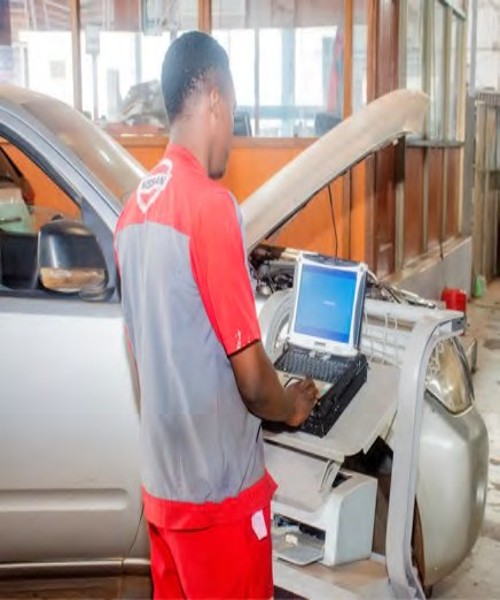
Diagnostics
We have diagnostic tools that do computerized health checks that are plugged into your vehicle's engine control unit (ECU) to read error codes to help us pinpoint issues within your engine, transmission, exhaust, and brakes before they escalate.
Diagnostic Test Checks
- Engine and Drivability: Detects misfires, faulty oxygen sensors, and fuel-to-air mixture issues.
- Electrical Systems: Assesses the health of your battery, alternator, and starter.
- Fluid and Temperature: Reads coolant temperature sensors and transmission fluid performance.
- Emissions: Analyzes the catalytic converter and exhaust system functionality.
Quality Servicing
Expert Workers
Modern Equipment
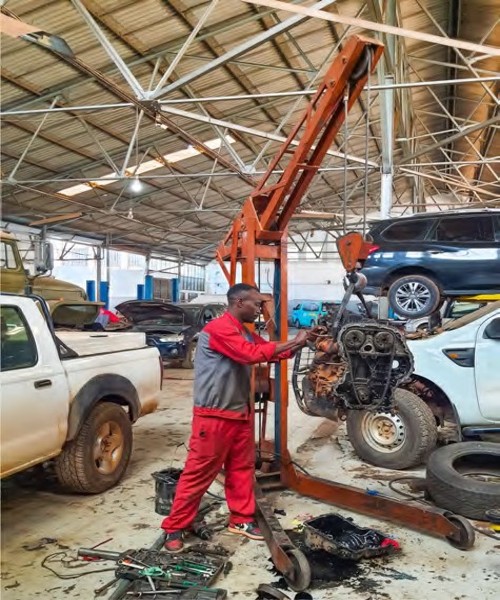
Engine Repairs
We do car engine servicing which involves routine maintenance procedures like oil and filter changes, fluid top-ups, and filter replacements to ensure peak performance and longevity. Typically, you should have your engine serviced every 12,000 miles or once a year depending on your driving habits.
Common Types of Engine Repairs
- Routine Maintenance: Preventative work like oil and filter changes, replacing air filters, and flushing the cooling system.
- Minor Repairs: Fixing specific, localized issues without removing the entire engine. This includes replacing faulty spark plugs, swapping out bad oxygen or Mass Air Flow (MAF) sensors, and replacing cracked hoses
- Gasket & Seal Replacements: Fixing oil or coolant leaks by changing components like valve cover gaskets or the critical head gasket.
- Timing Belt/Chain Service: Replacing worn timing belts or chains that keep the engine's internal parts synchronized to prevent catastrophic failures
Quality Servicing
Expert Workers
Modern Equipment
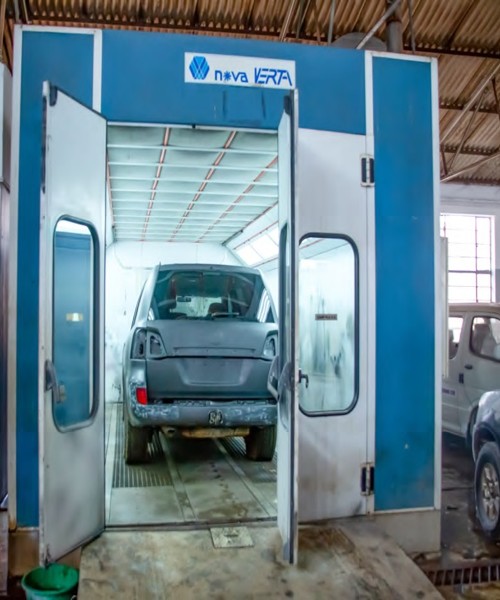
Body & Paint Services
We fix dents, remove rust, sanding down the surface thoroughly, cleaning the car, covering windows, lights, and trim so they don't get painted, apply a corrosion-resistant base layer to help the paint stick and apply a fresh coat of paint to a vehicle using a specialized spray gun or aerosol can or completely change the car's color.
Quality Servicing
Expert Workers
Modern Equipment
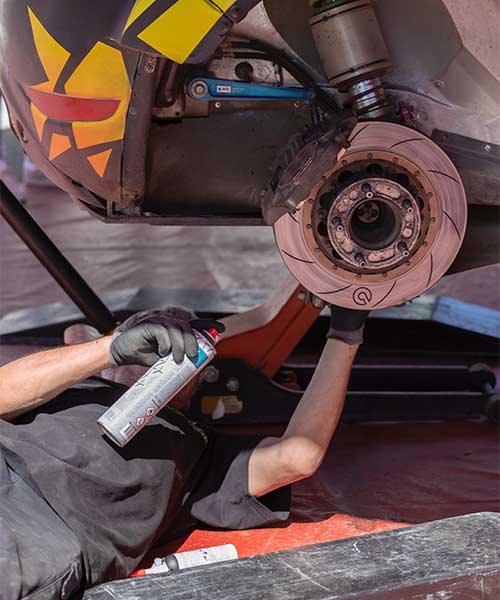
Brake Services
Car brake servicing ensures your stopping power is reliable and safe. It generally involves inspecting pad thickness, flushing the brake fluid every two years, and servicing the calipers. Brake pads typically require replacement when they wear down to 3mm or less, which usually happens every 24,000 to 48,000 km.
Quality Servicing
Expert Workers
Modern Equipment
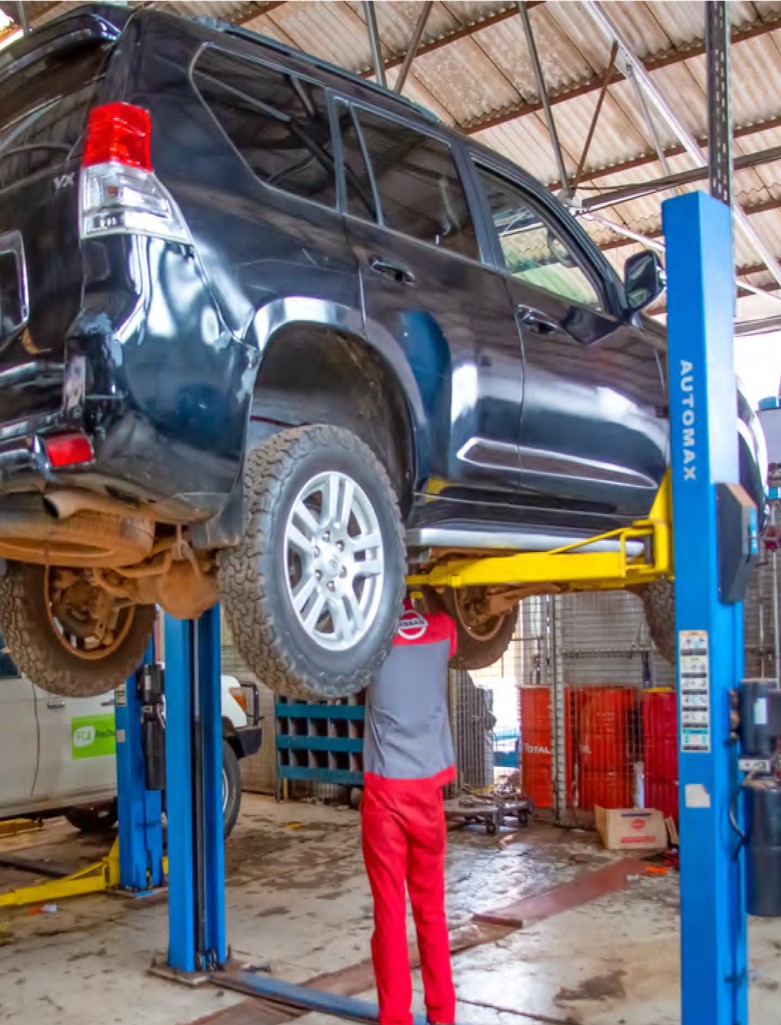
Suspension Repairs
Your vehicle's suspension system is crucial for absorbing bumps, keeping tires glued to the road, and ensuring stable braking and steering. Delaying necessary suspension work can compromise your driving safety and accelerate tire wear.
Quality Servicing
Expert Workers
Modern Equipment
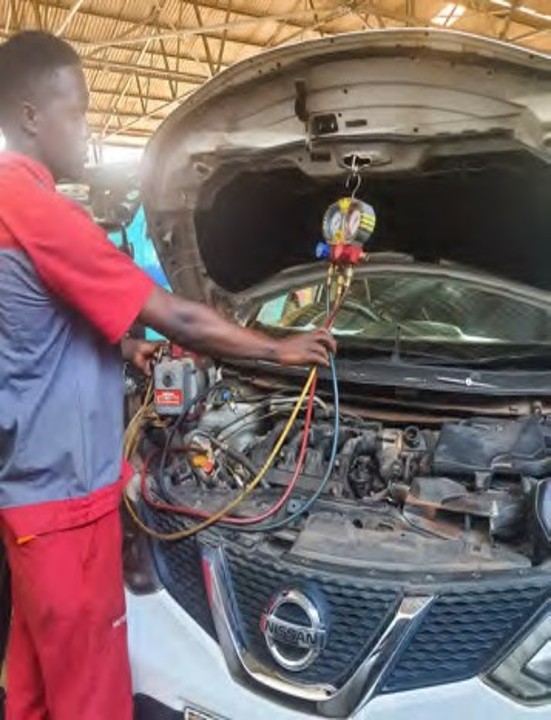
AC Services
Professional Air-conditioning Services involes;
- System Performance Testing: Our technicians check the temperature and pressure to see if the system is blowing cold air effectively.
- Refrigerant Recovery and Recharge: The system is drained of old refrigerant and lubricant, vacuumed to remove moisture, and refilled to the manufacturer's exact specifications.
- Leak Detection: Mechanics check for leaks using specialized gauges, pressure tests, or UV dyes to ensure no gas is escaping.
- Filter and Vent Cleaning: The cabin air filter is inspected and replaced if it is dirty or clogged, as this restricts airflow.
- Component Inspection: Belts, hoses, the compressor, and the condenser are inspected for wear, blockages, or physical damage.
Quality Servicing
Expert Workers
Modern Equipment

Electrical Repairs
Car automotive electrical repairs require specialized knowledge because modern vehicles rely on complex wiring networks and Electronic Control Units (ECUs). Standard automotive electrical repairs generally involve computer diagnostics, battery testing, alternator replacement, starter motor repairs, and wiring harness restoration.
Quality Servicing
Expert Workers
Modern Equipment
Wheel Alignment
Car wheel alignment involves resetting the angles of your vehicle's wheels back to factory specifications. This mechanical calibration counters the effects of harsh potholes, bumpy roads, or suspension wear, ensuring your tyres sit straight and wear out evenly.
Three Main Alignment Angles
- Camber: The inward or outward tilt of the tire when viewed directly from the front. If the tire tilts too far inward (negative camber) or outward (positive camber), it causes uneven tread wear.
- Toe: How much the tires turn inward or outward when viewed from above. "Toe-in" means the front of the tires point toward each other, while "toe-out" means they point away from each other. This is the most frequently adjusted angle.
- Caster: The angle of the steering axis when viewed from the side. It balances your steering, stability, and cornering ability.
Quality Servicing
Expert Workers
Modern Equipment
Routine Maintenance
Routine car maintenance prevents expensive breakdowns and keeps your vehicle reliable. Depending on your car's model, you should generally get the engine oil and filter changed every 5,000 to 7,500 miles, replace the engine air filter every 15,000 miles, and rotate your tires every 6,000 to 8,000 miles.
Monthly Tasks
- Check Fluids: Verify engine oil, coolant, brake fluid, and windshield washer fluid levels.
- Tire Pressure: Ensure tires are inflated to the manufacturer-recommended PSI (found on the sticker on the driver's door jamb) and check for tread wear using the "penny test".
- Test Lights: Walk around the car to make sure headlights, brake lights, and turn signals are working.
- Oil & Filter: Replace engine oil and filter.
- Battery Check: Inspect for corrosion and test the battery's charge, especially if it's over 3 years old.
Quality Servicing
Expert Workers
Modern Equipment

